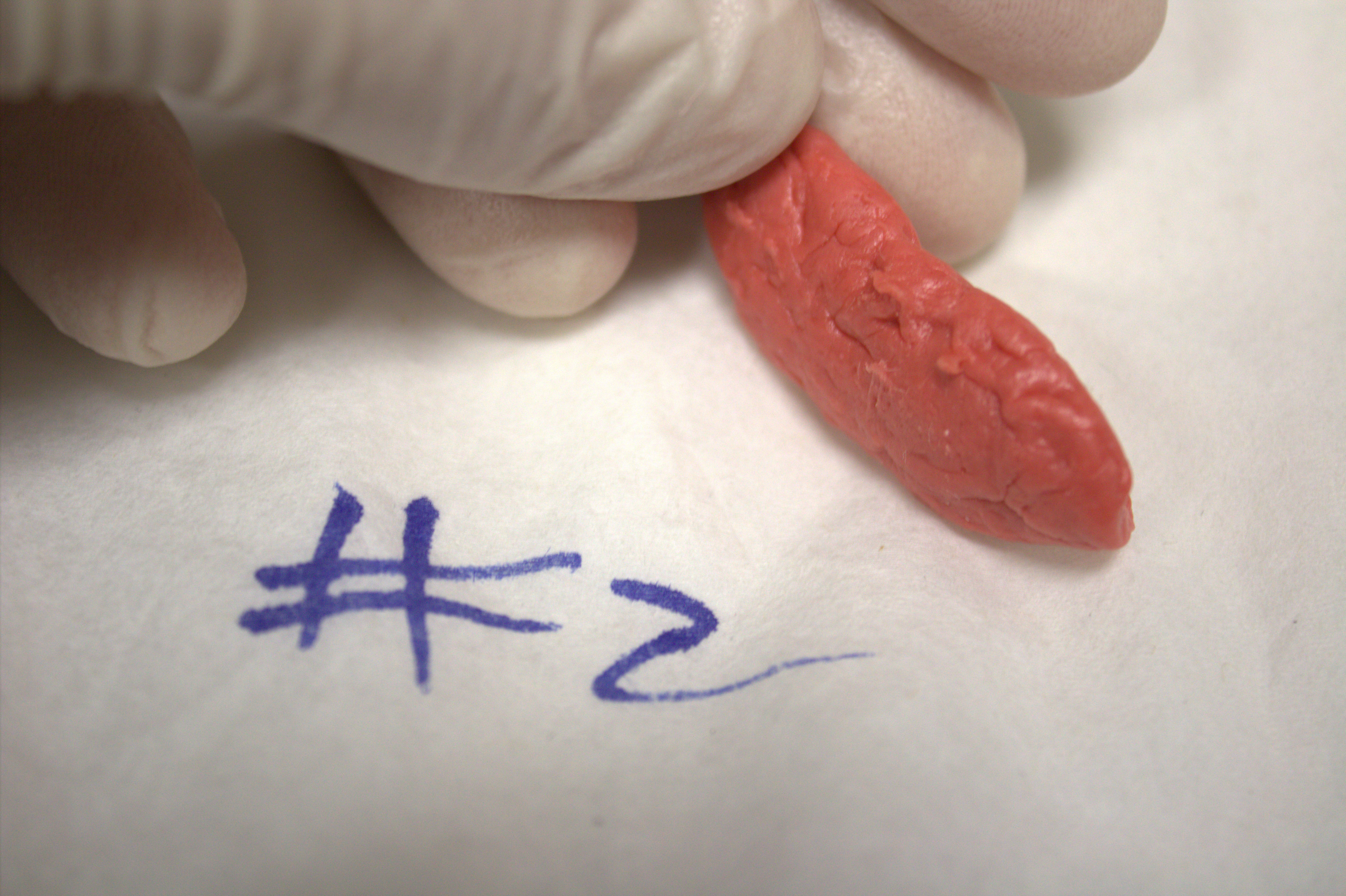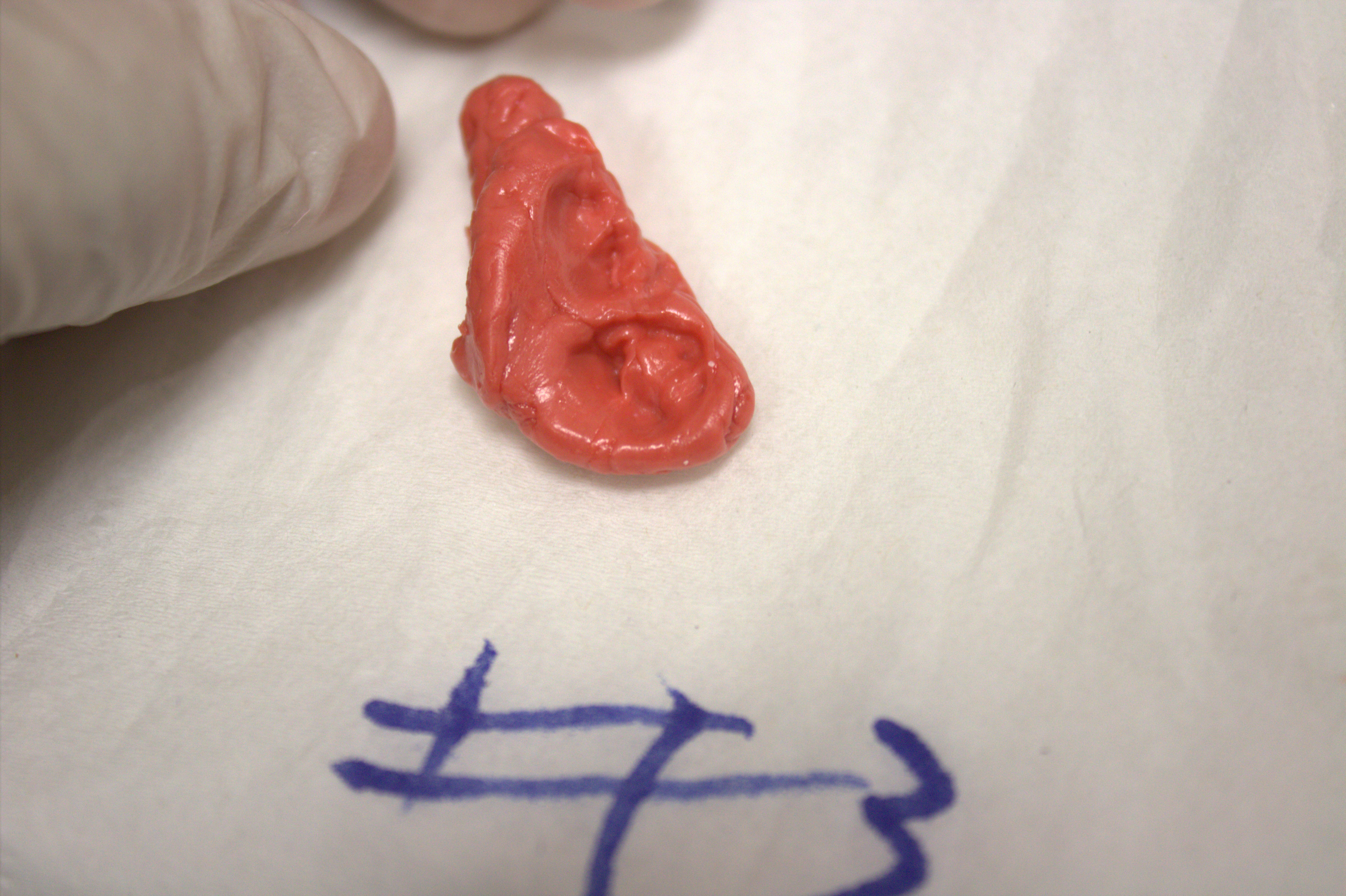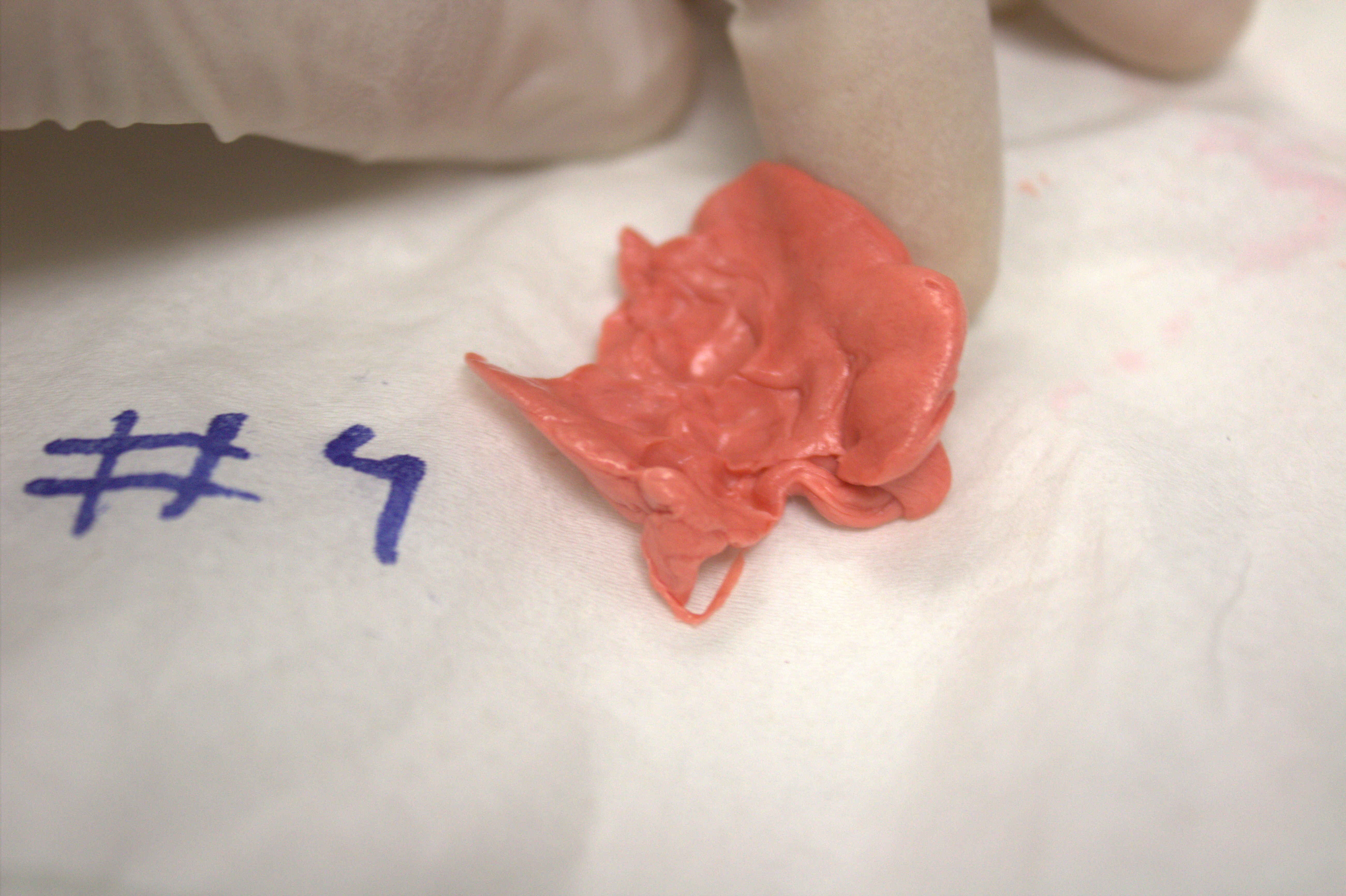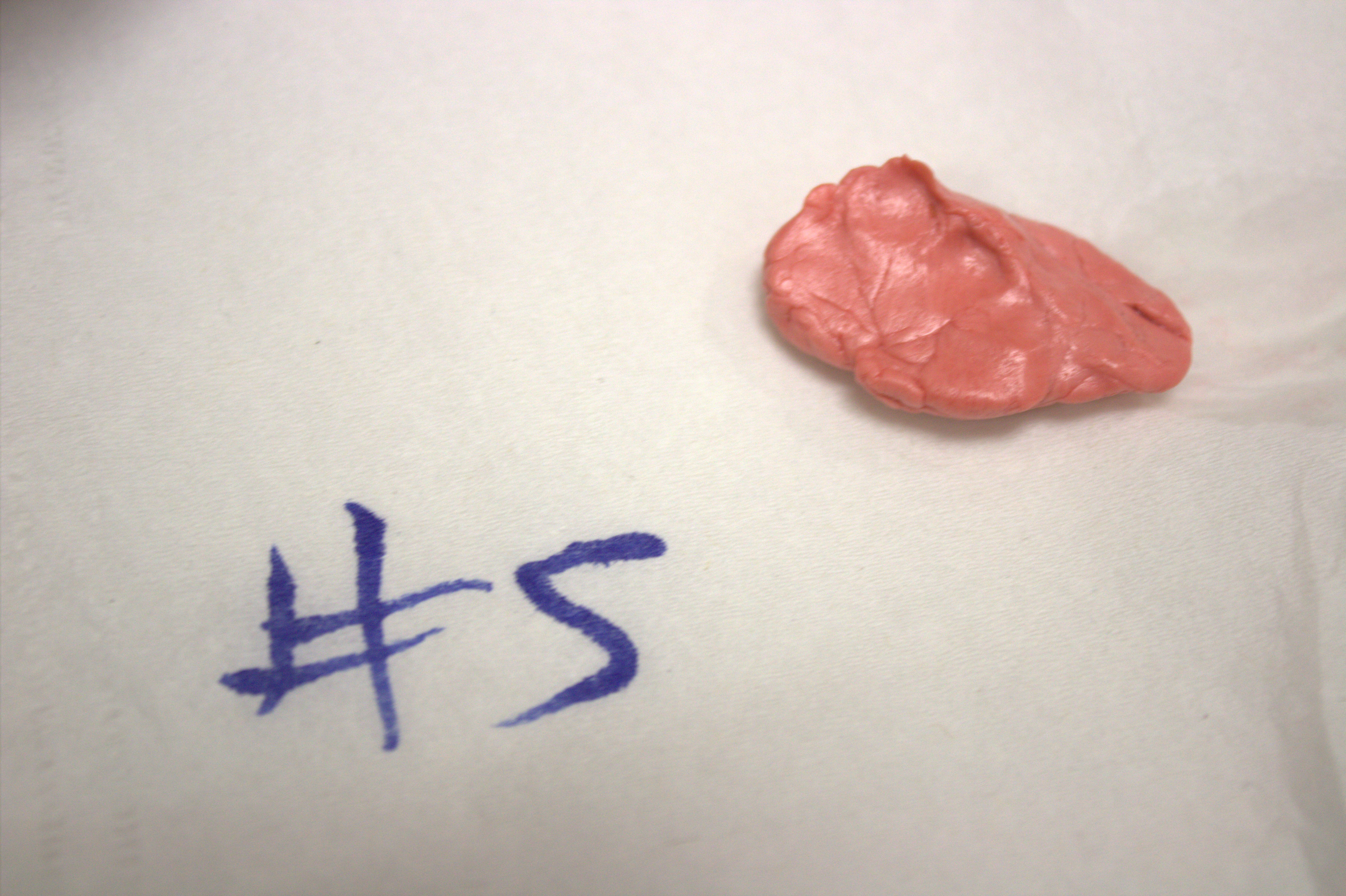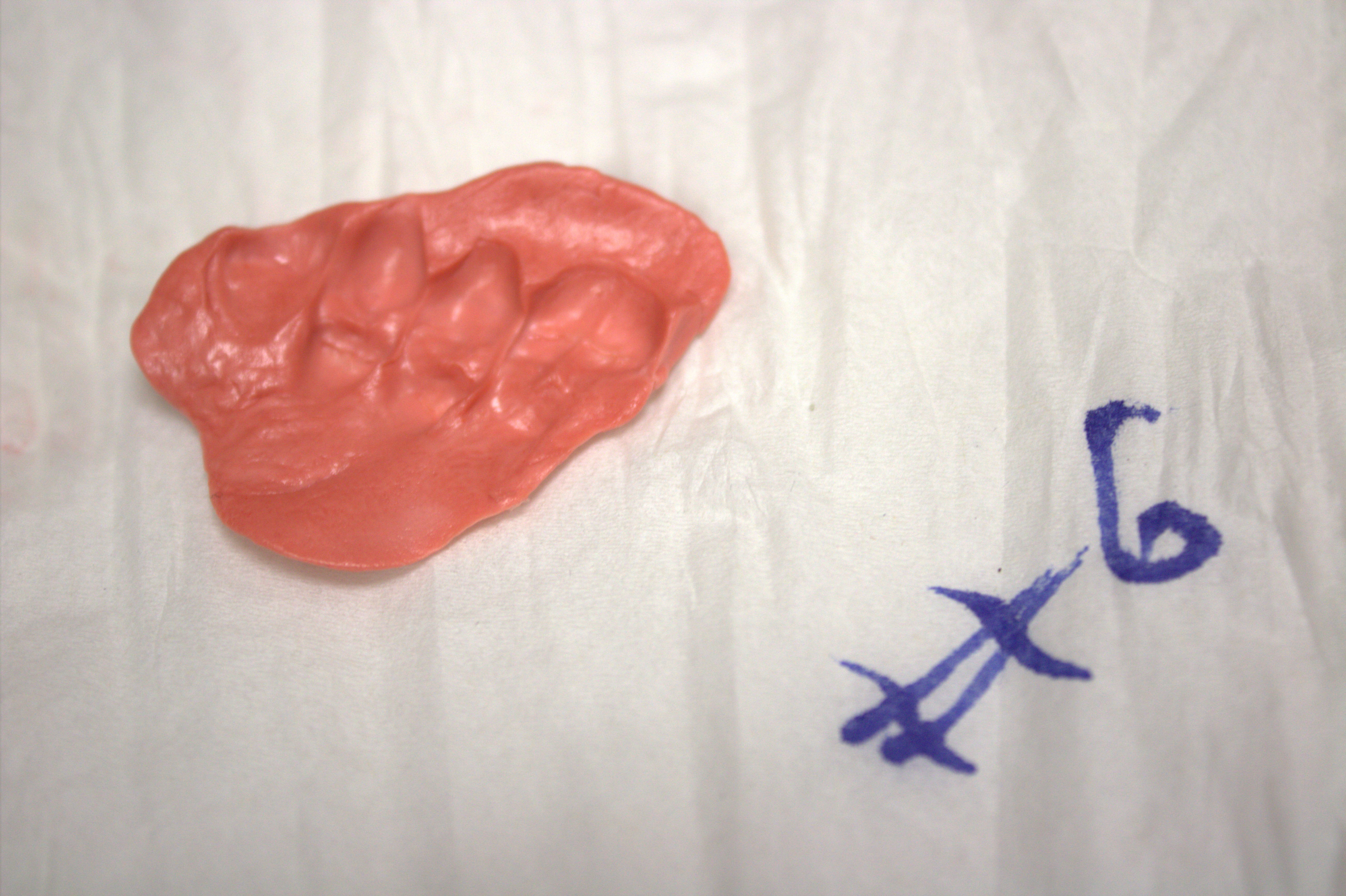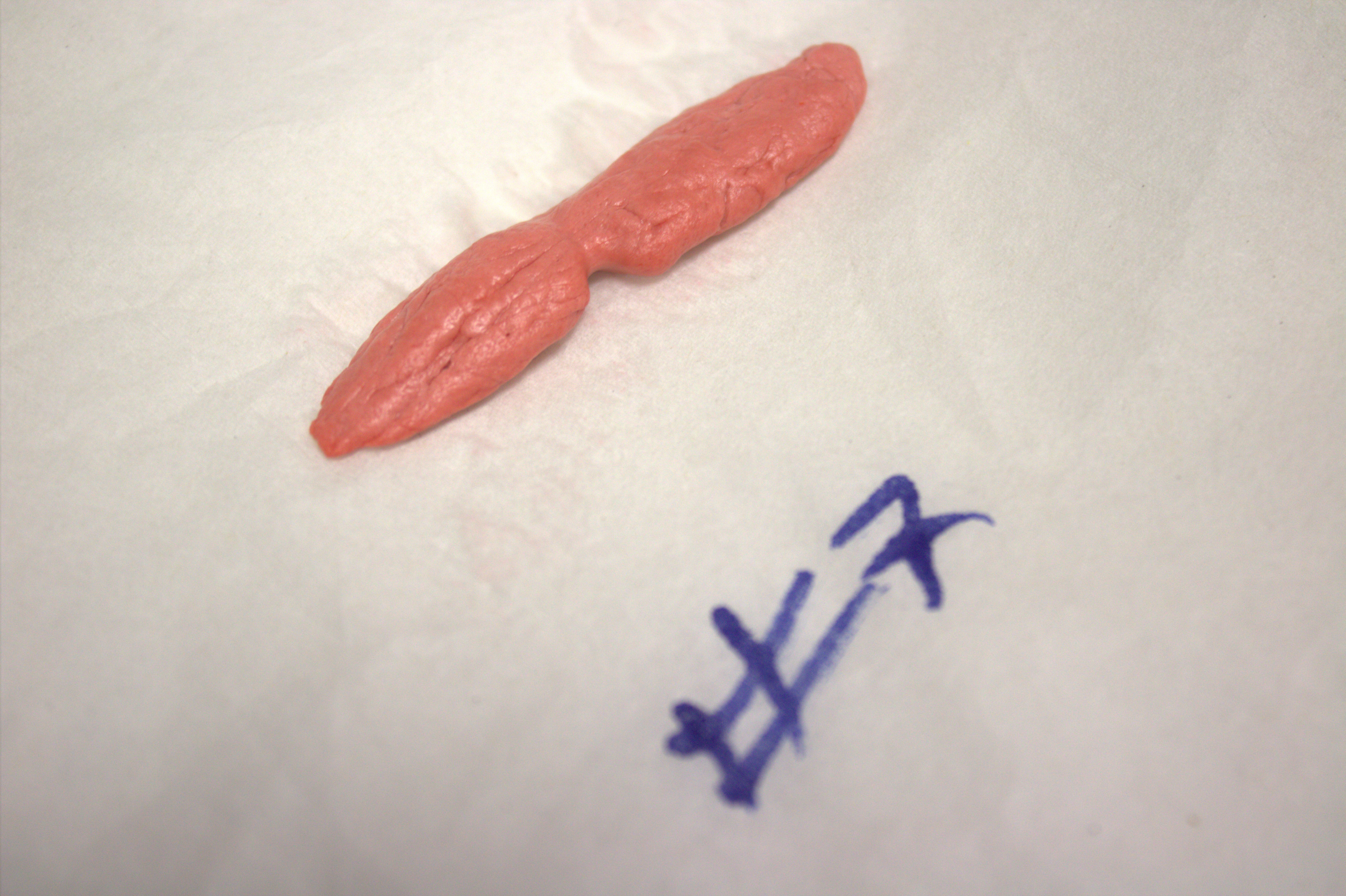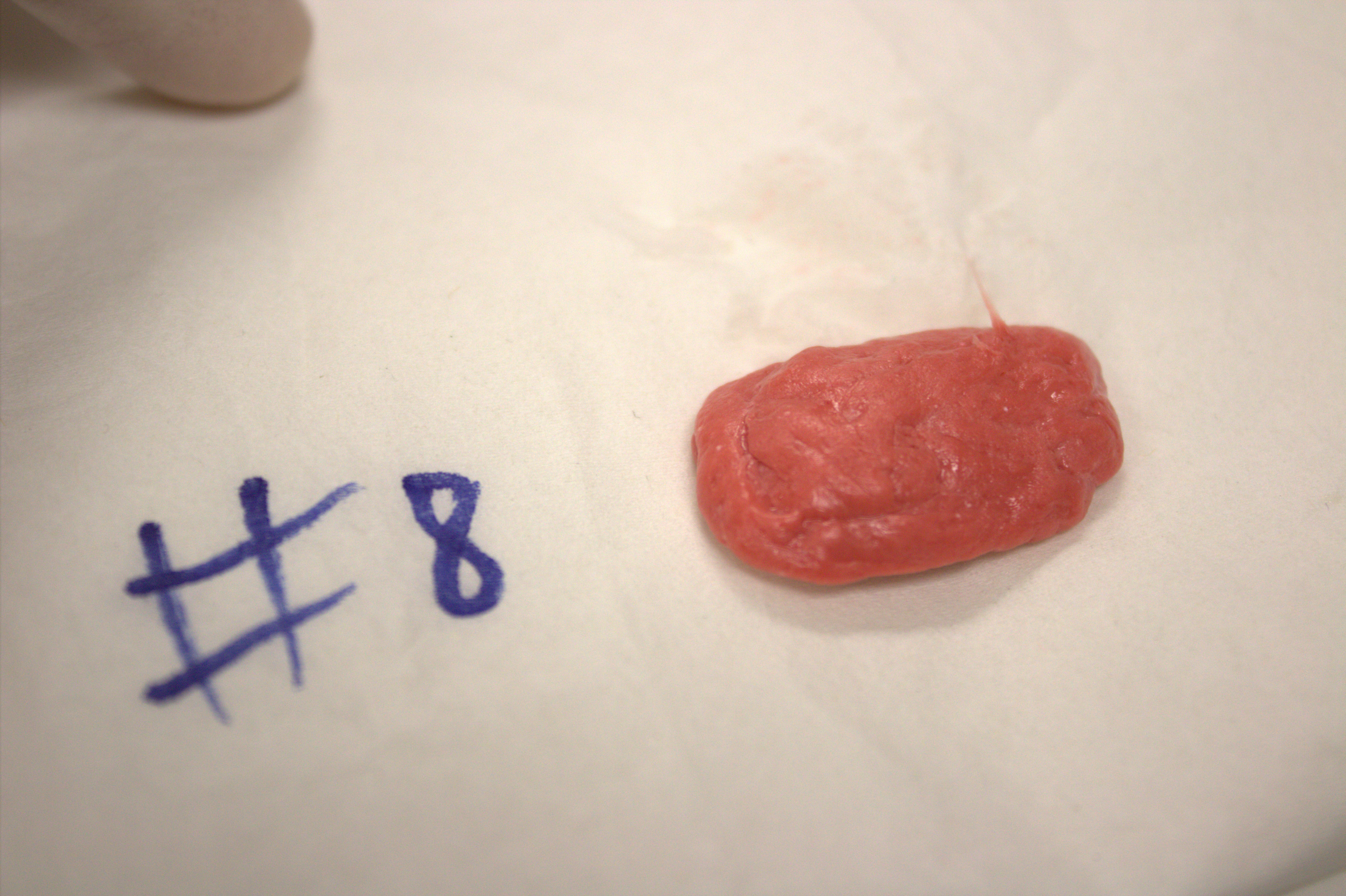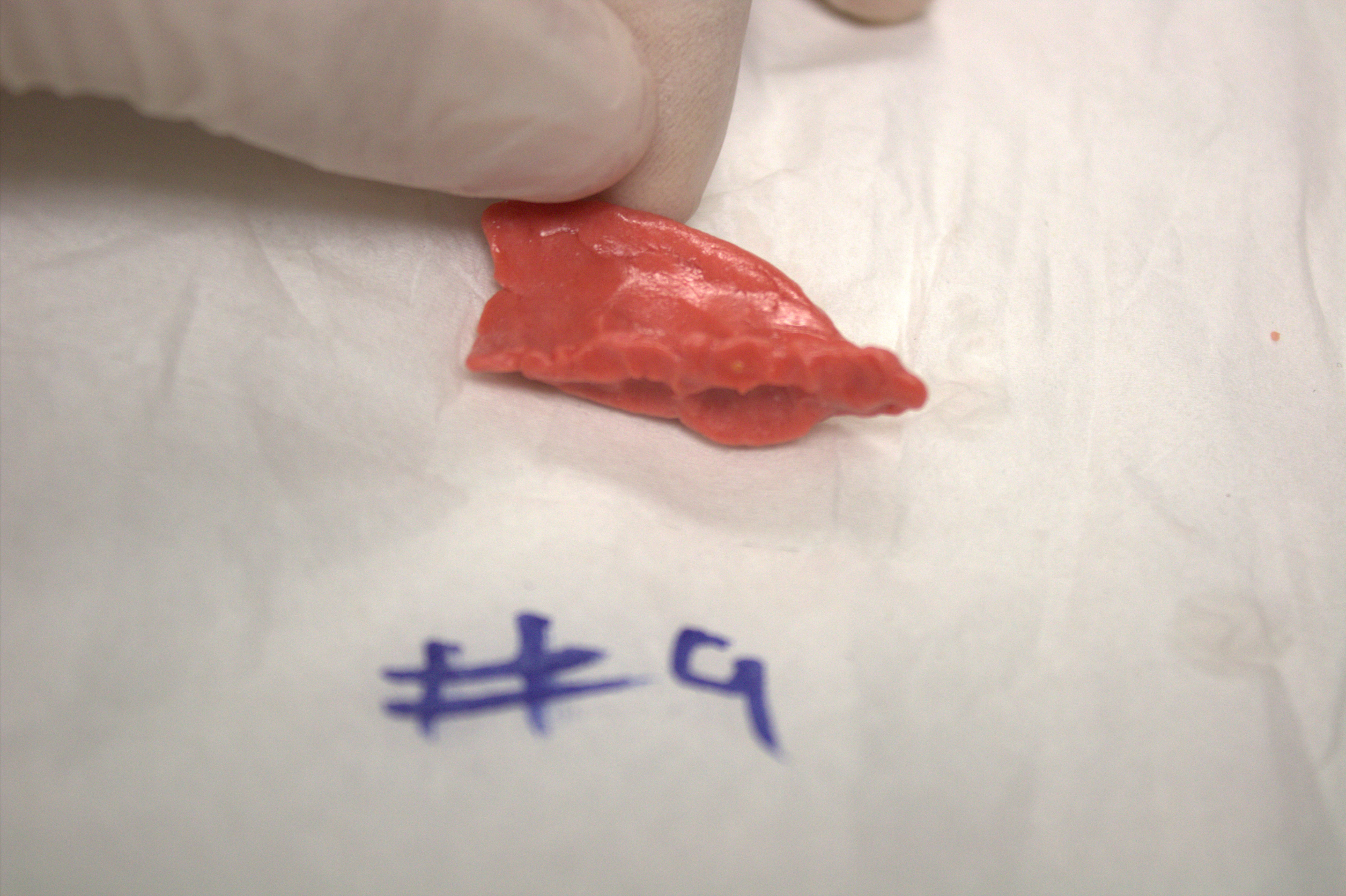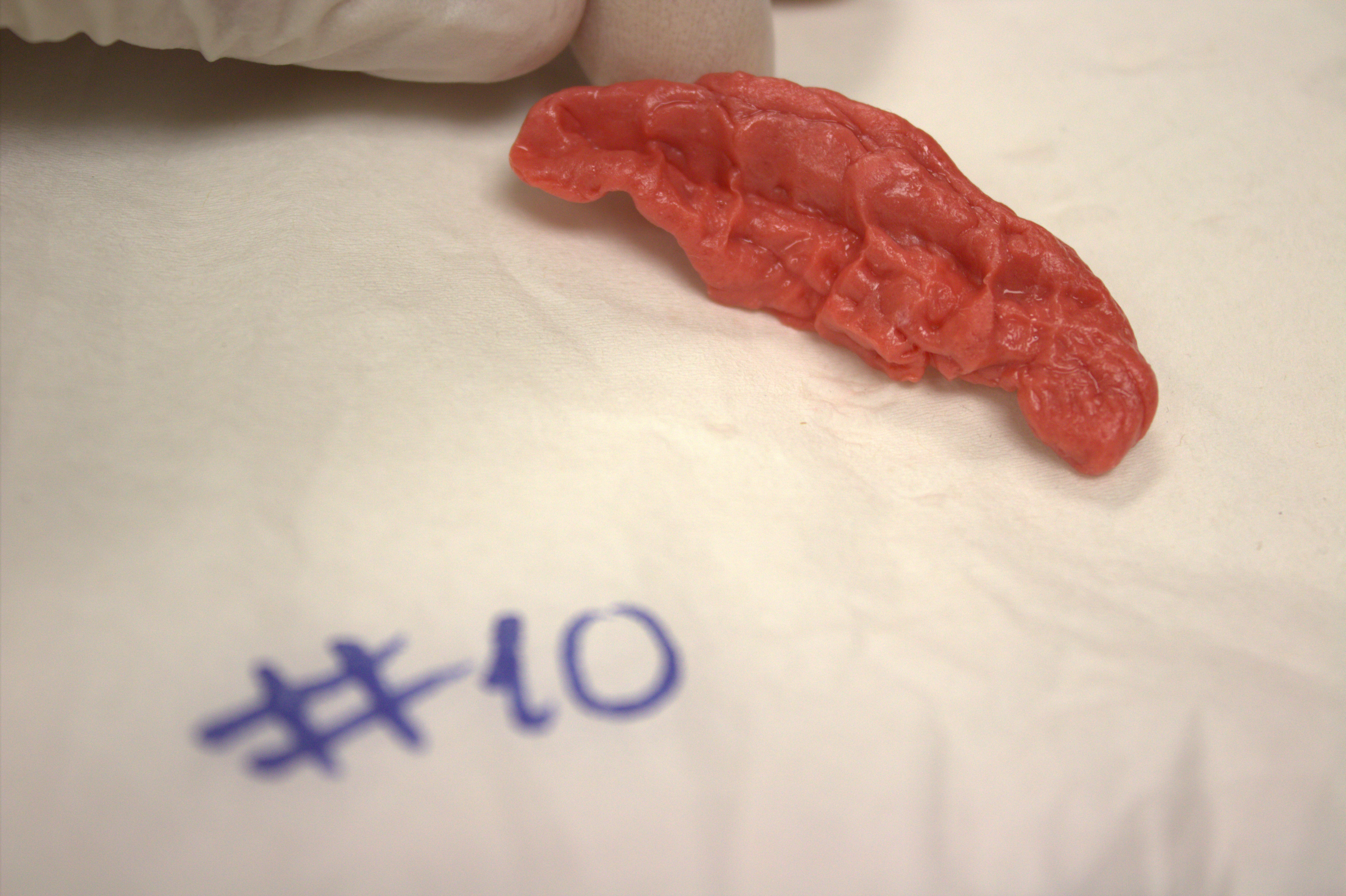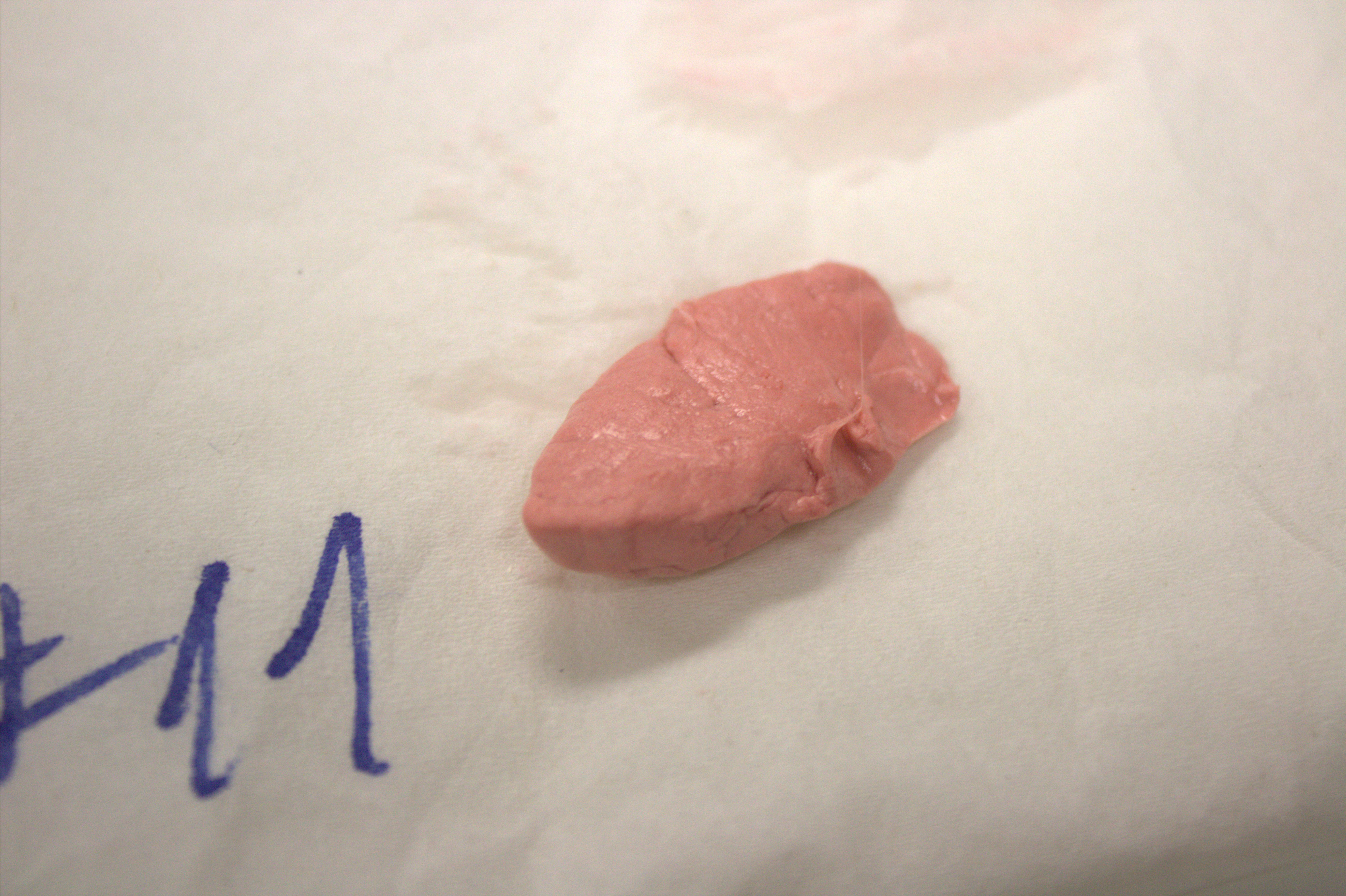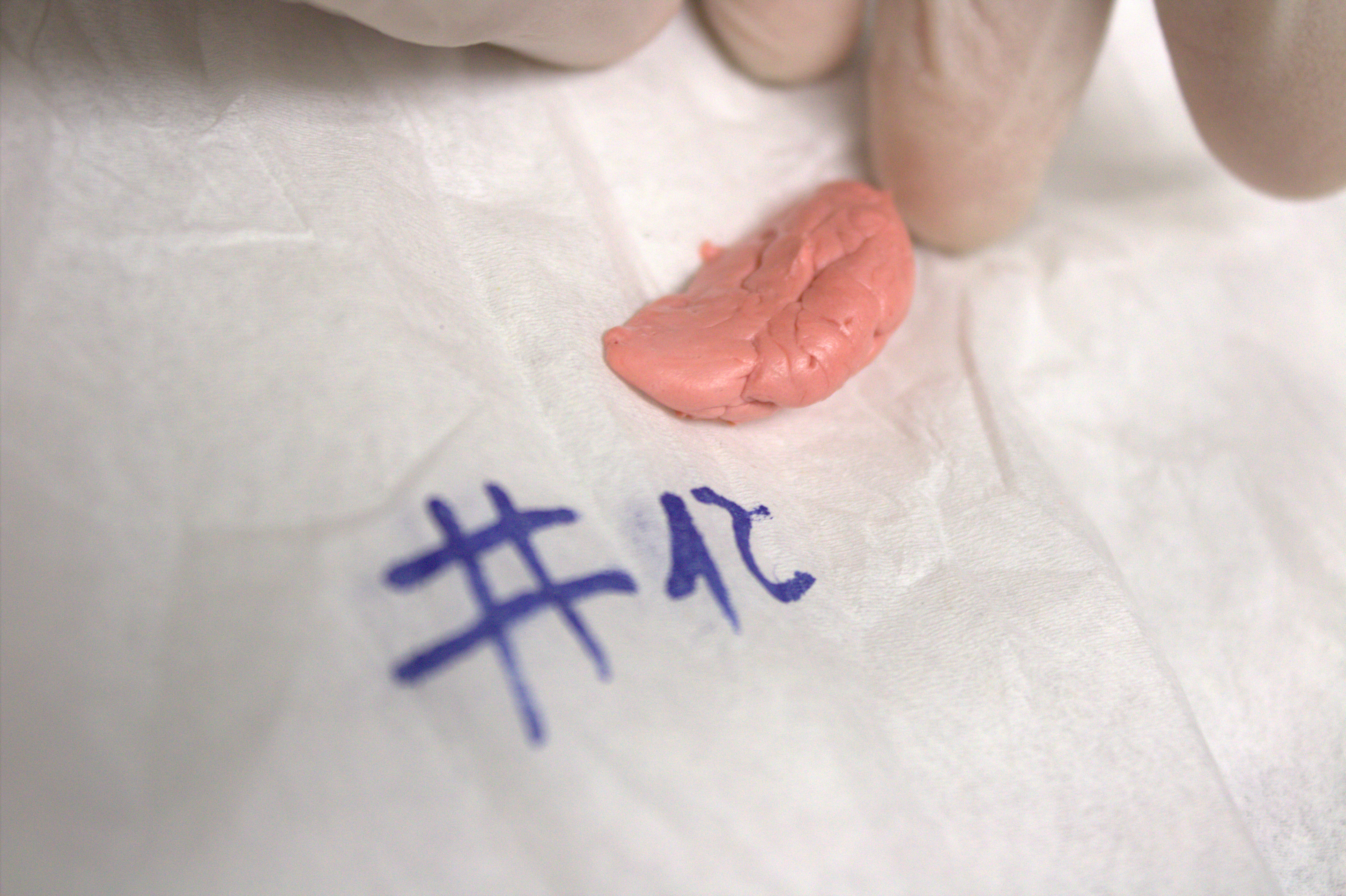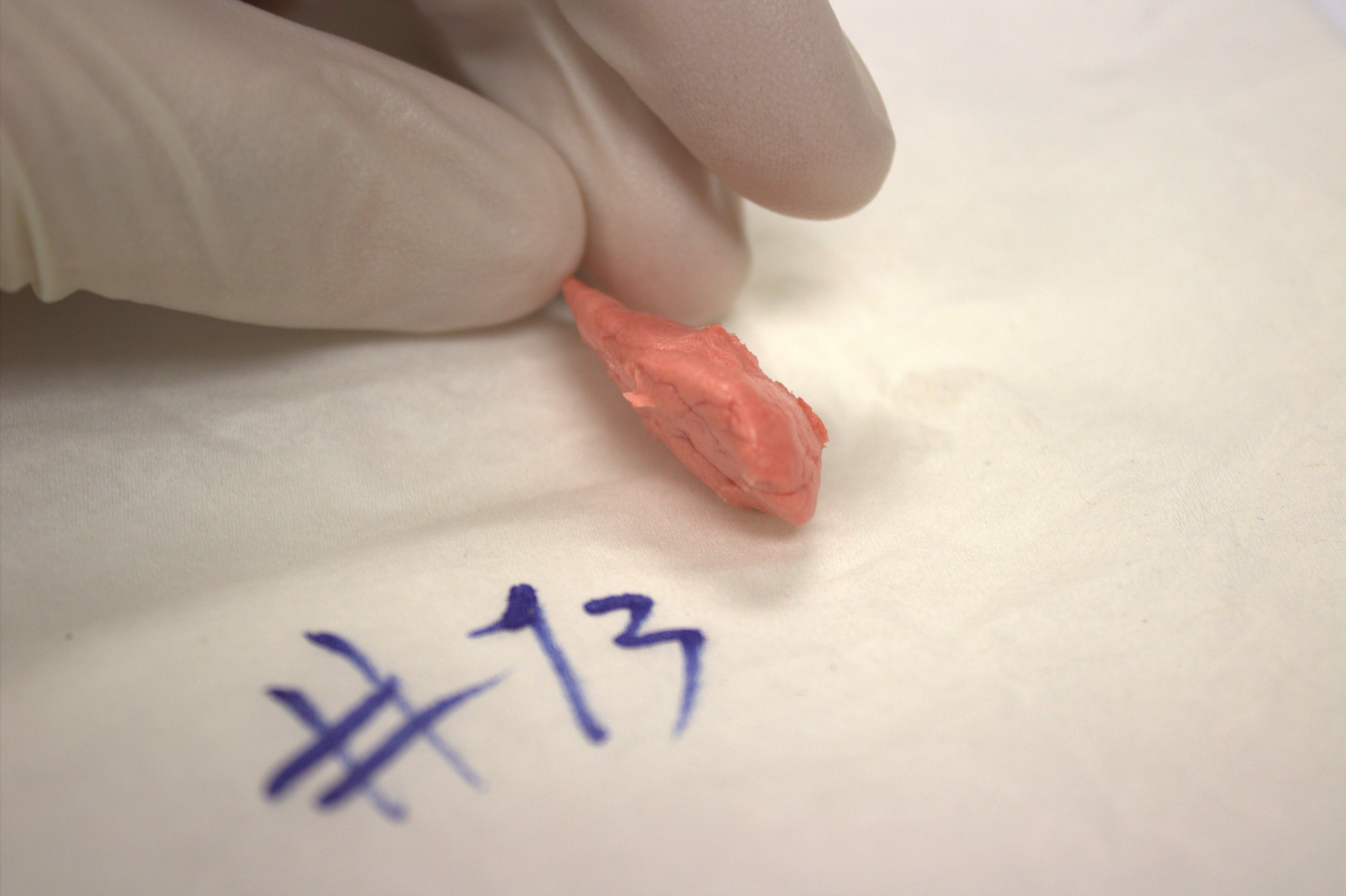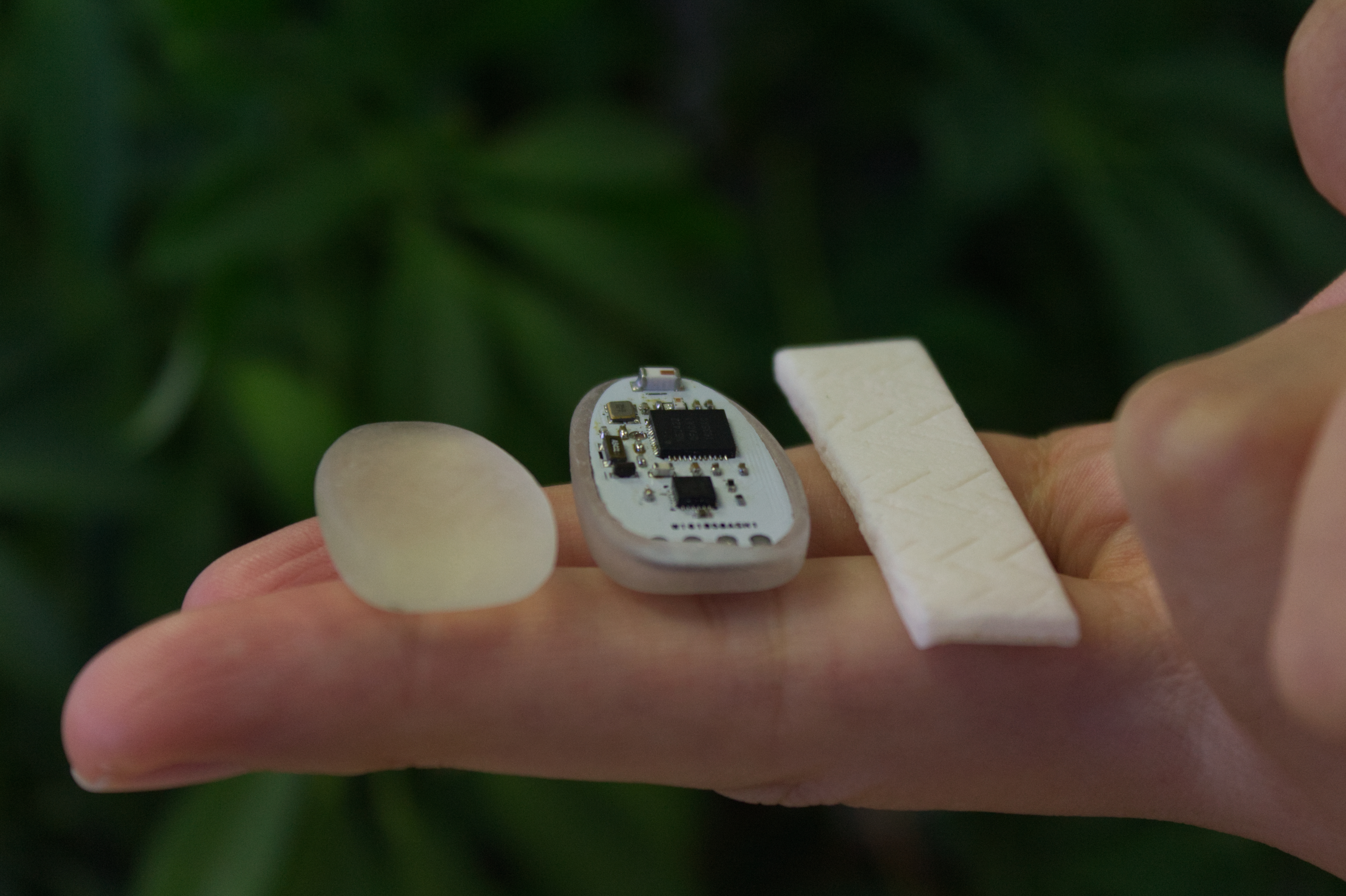
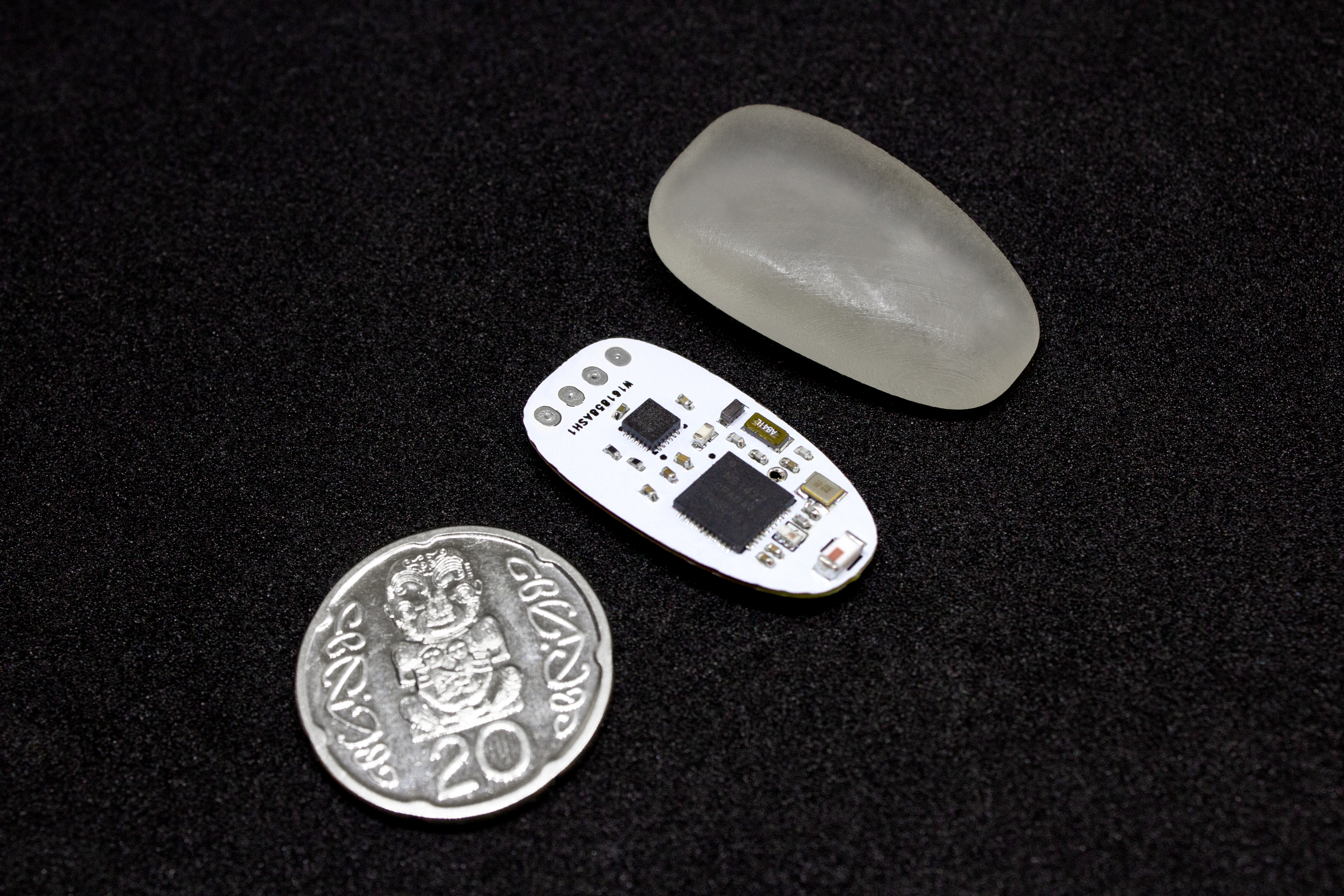
ChewIt device components — silicone shell, PCB module and fabric strap — held on a fingertip
Independent research · Augmented Human Lab, University of Auckland · 2017–2019

ChewIt

An intraoral interface, the size of a small candy, designed to give hands-free control back to people who need it most — discreetly.

The problem

Most assistive interfaces ask users to give something up.

A large share of the people who rely on wheelchairs for daily mobility have limited or no use of their hands, arms, or head. The tools built to help them control a chair, a phone, or a computer tend to solve one problem while creating another.

  • Direct controls Joysticks and switches assume a level of manual dexterity many users don’t have.
  • Facial recognition Requires a camera pointed at your face — constant, visible, and not exactly private.
  • Voice control Not discreet in shared or public spaces, and unreliable in noisy ones.
15.6%

of the world’s population lives with a significant disability — a large share of whom rely on wheelchairs for mobility.

World Health Organization, 2016

ChewIt prototype
The device

A wireless interface small enough to hide in your mouth.

ChewIt packs a flexible, custom-made PCB, an accelerometer, and a gyroscope inside a soft, 3D-printed silicone shell — about the size of a large breath mint. It stays completely hidden until the moment you need it, and reads two kinds of input: a bite, and the way it moves.

  • FormUser-center design, visible only when interacting
  • SensingAccelerometer + pressure on flexible PCB
  • HousingSLA-printed Dental Resin
  • InputBite pressure & orientation (tongue-driven)
How it works

Three gestures, learned once, used without thinking.

The tongue is unusually dexterous and has high proprioceptive awareness — once a user is familiar with ChewIt, these gestures become close to reflexive, even while talking.

01

Bite

Functions as a physical button — press to confirm or trigger an action, the same way a switch would.

02

Flip

Turning the device over inside the mouth changes its orientation — for example, telling a motorized wheelchair to start moving.

03

Roll

Rotating it with the tongue reads as a directional command — steering, paired naturally with a head turn.

Validation

Built around real conversations with users, not assumptions.

The design went through a series of studies with people navigating mobility challenges, looking at comfort, discreetness, maneuverability, and how far the device could travel inside the mouth without becoming obstructive. Gesture recognition was tested across users, refining the shape and the sensing model until the classifier could tell bites, flips, and rolls apart reliably — without interrupting speech or eating.

Presented at CHI ’19, the ACM Conference on Human Factors in Computing Systems, Glasgow, May 2019.

Recognition
Fast Company · Innovation by Design 2019

Several Press Releases

Featured for reimagining hands-free control as something that can be worn without anyone else noticing.

Read the feature  →
ACM CHI Conference Honorable Mention · 2019

Published research paper

“ChewIt: An Intraoral Interface for Discreet Interactions,” peer-reviewed and presented in Glasgow, UK.

View the paper  →